Sanctuary of Facades
September 4th — September 29th 2026
Oval Gallery, Visalia, CA, USA
An exploration of visual equilibrium where opposing forces hold each other in check—weight and weightlessness ,rigid spatial logic and human intuition. In a dialogue between two distinct practices, the exhibition observes the facade as both a protective boundary and a shared social construct: an external shell built to maintain functioning surfaces while sheltering what is vulnerable underneath.
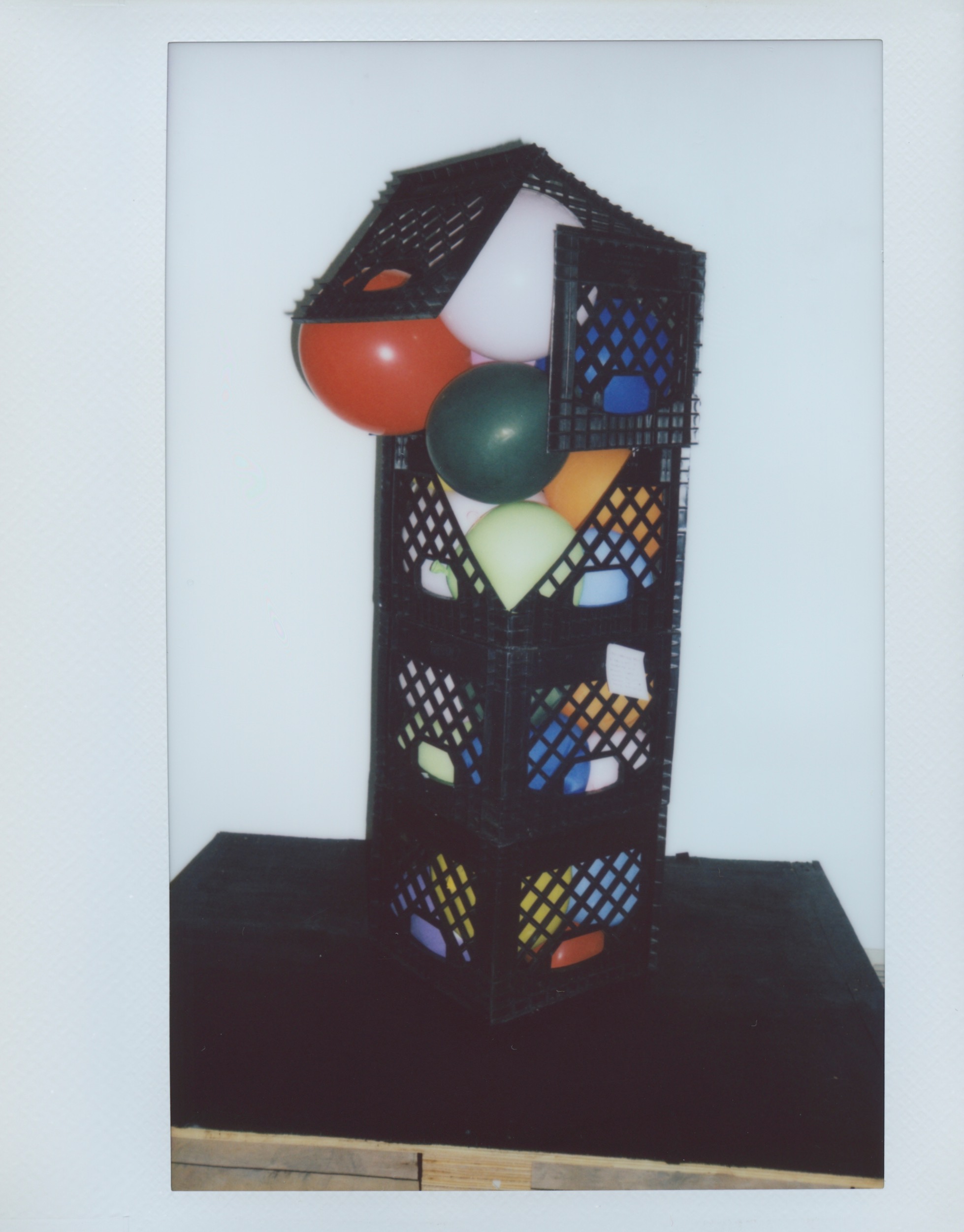
Grounded in observations of the relentless hustle and physical labor that defines life in the Central Valley, the work examines how individuals carry unyielding routines—and the fleeting, artificial mechanisms consumed to lighten that weight. Utilizing black plastic crates—a ubiquitous material of regional labor and transport—as rigid architectural shells, the sculptures are fractured from within. Bright, air-filled balloons burst through dense plastic grids, offering an intentional moment of relief and humor against structural strain. Yet as the air slowly escapes over time, the fractured frame remains standing—a quiet reflection on impermanence, quick dopamine, and the delicate balance between systemic exhaustion and human attempts at quick relief.
Within this sanctuary, the rigid framework operates not as static dead weight, but as an active boundary where saturated color, fragile lightness, and quiet endurance coexist—mapping the persistent tension between what is masterfully held intact on the surface and the living core protected underneath, constantly attempting to break through to become lighter.
Statics of Displacement
July 6 th — August 29 th 2026
Component CL, Visalia, CA USA
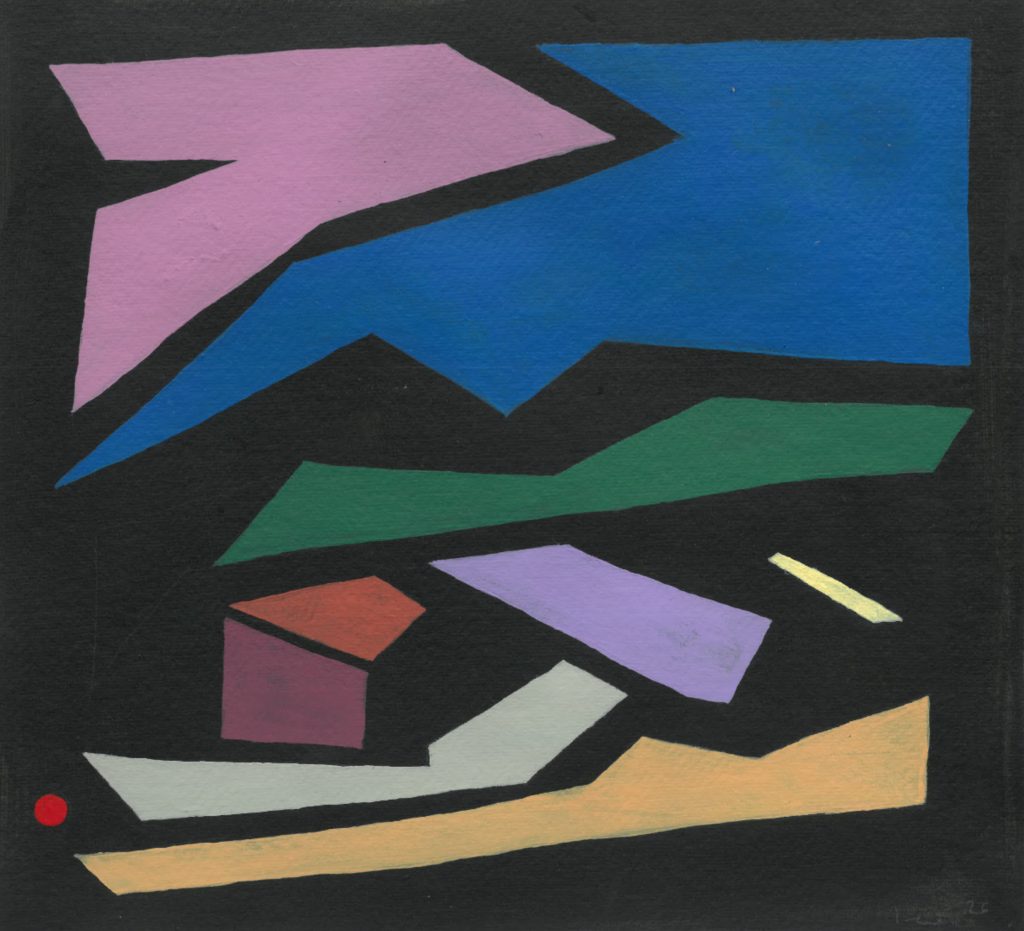
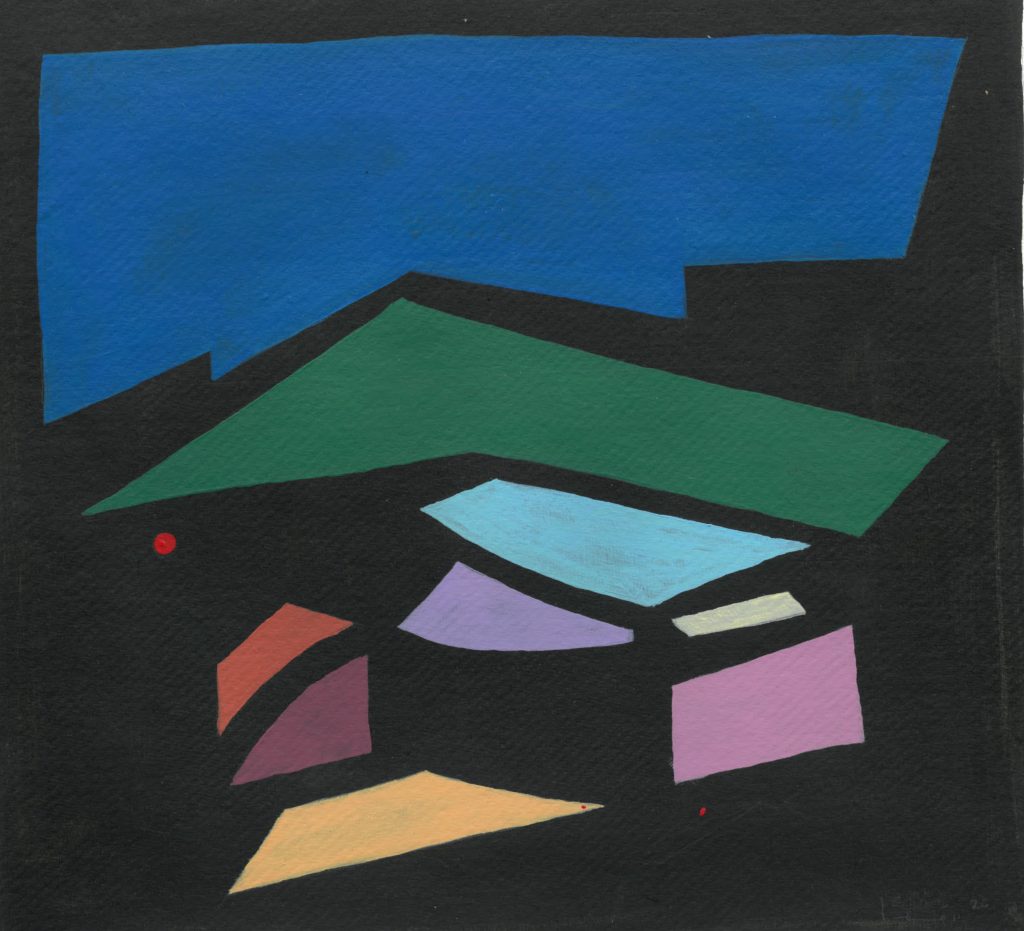
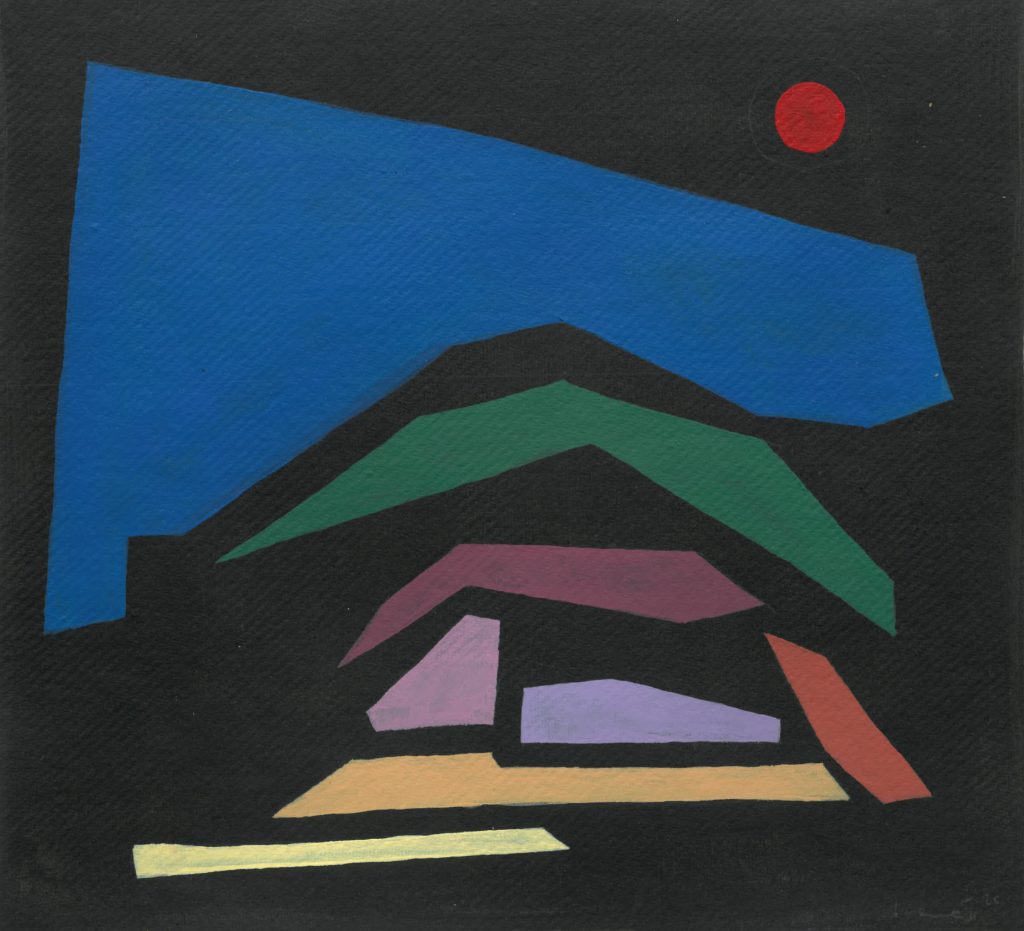
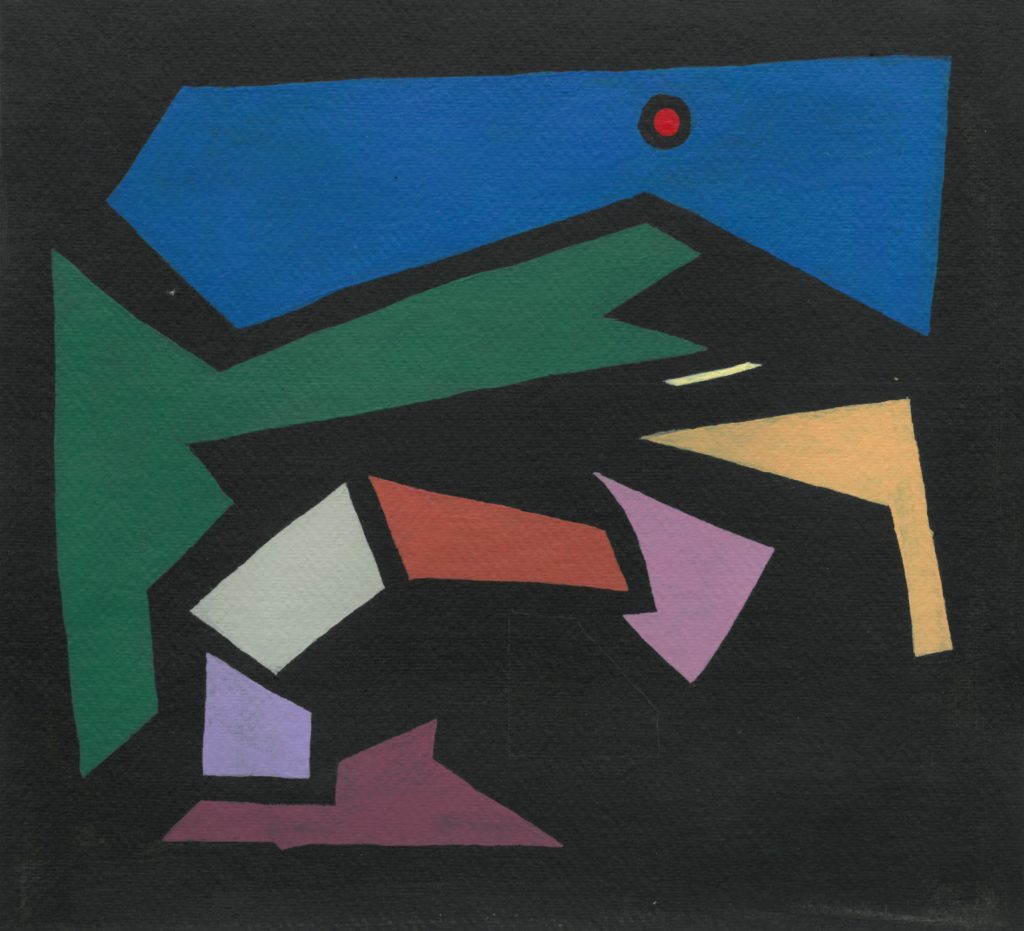
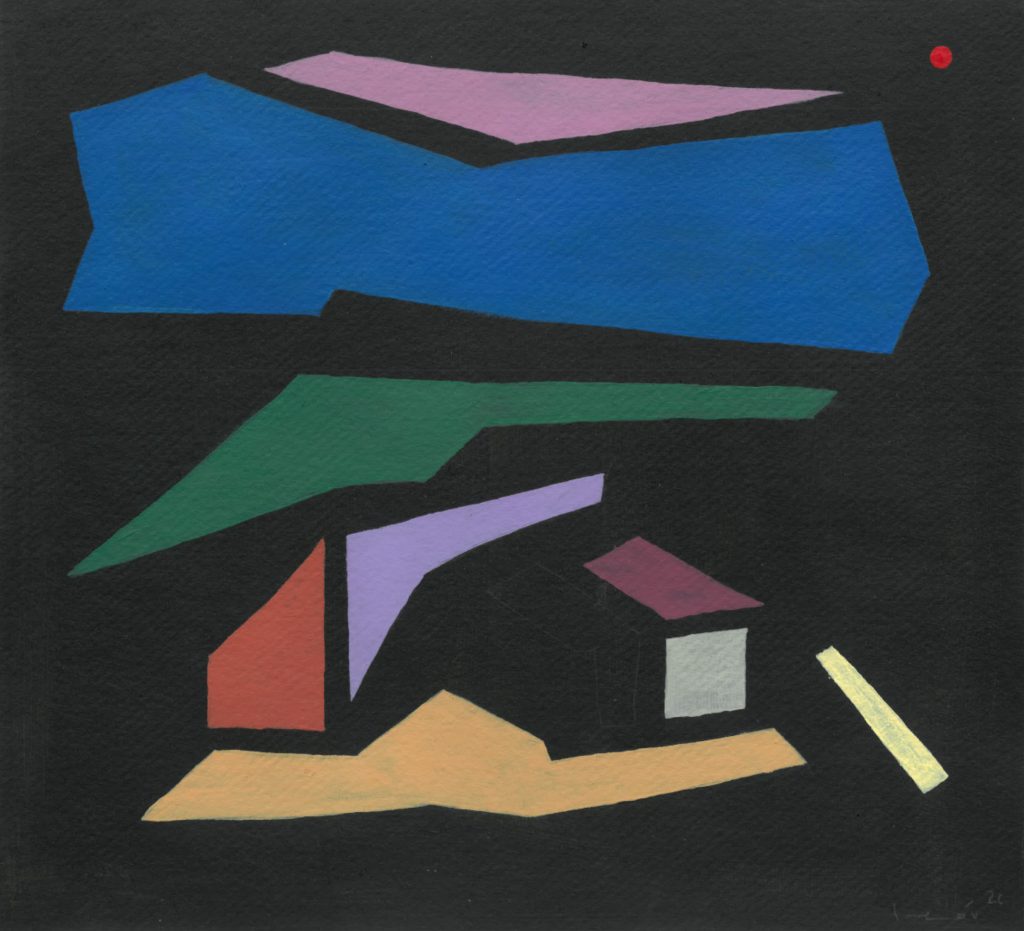
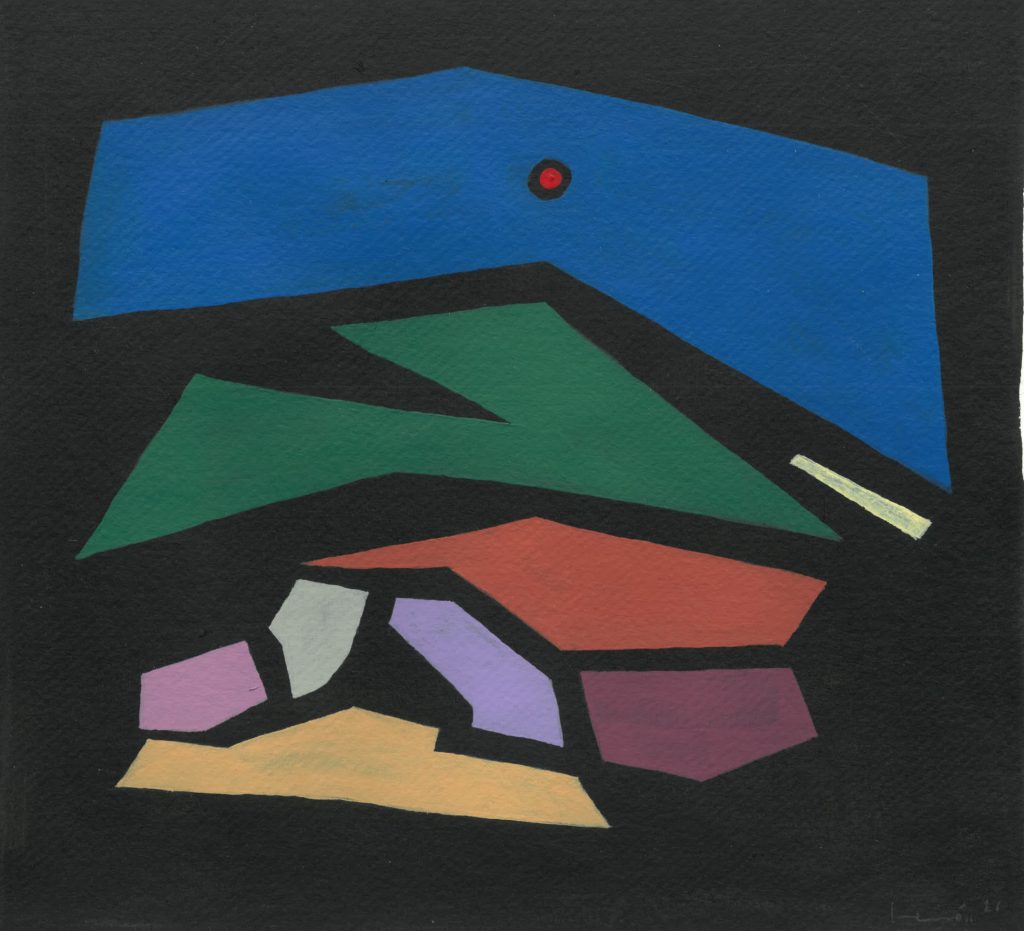
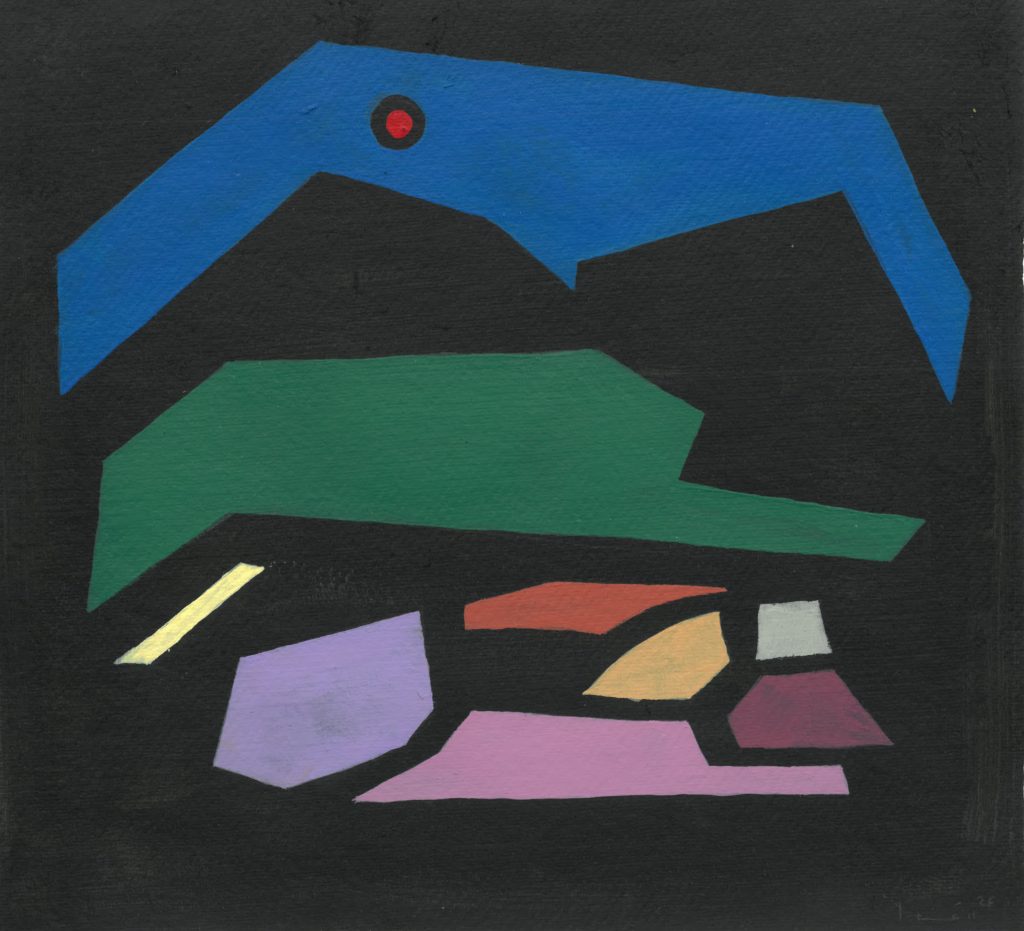
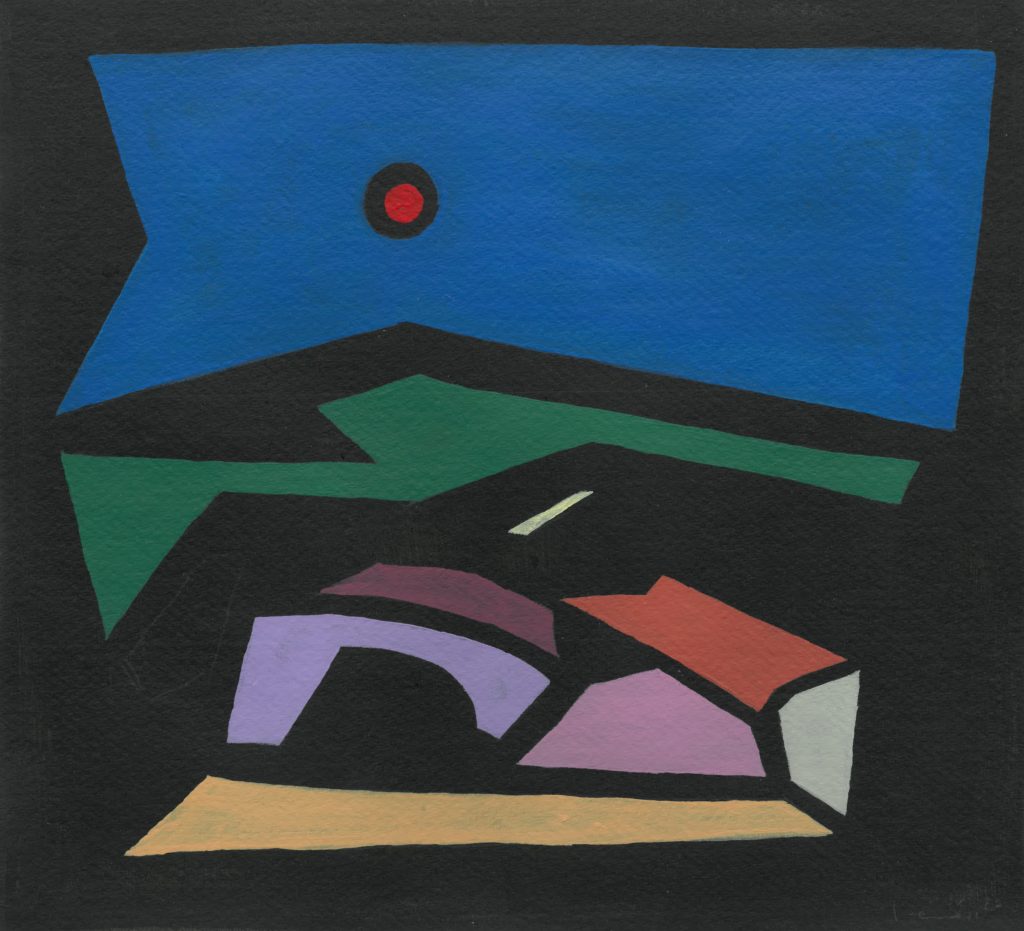
A visual record of spatial adaptation and quiet observation—tracing a trajectory from Cologne, Germany, to the Central Valley of California. The exhibition documents a personal and physical arrival across three interconnected chapters,observing the structural character of a California in motion.
Arrival
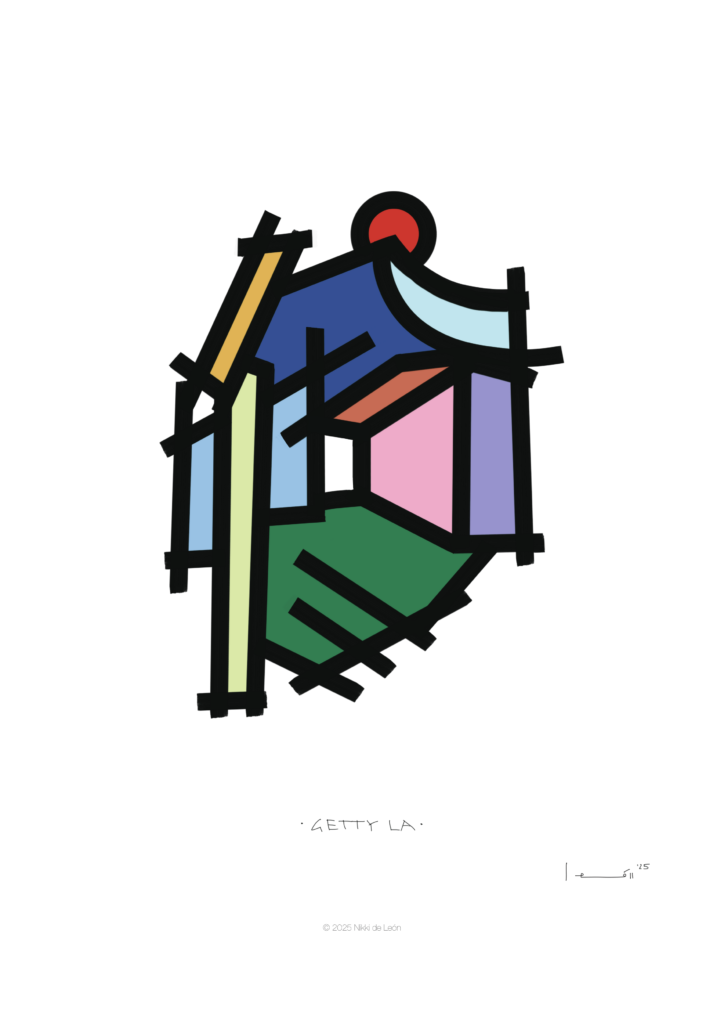
Captures my fascination with built geometry locked onto the lines of Los Angeles—processing a new landscape through a familiar architectural lens.
Local Studies in Fresno
Focuses on the local architecture of the Central Valley. These works explore the contrast and friction between the dense,permanent masonry left behind in Germany and the newly discovered typology that defines the towns here.
Rooting in the Central Valley
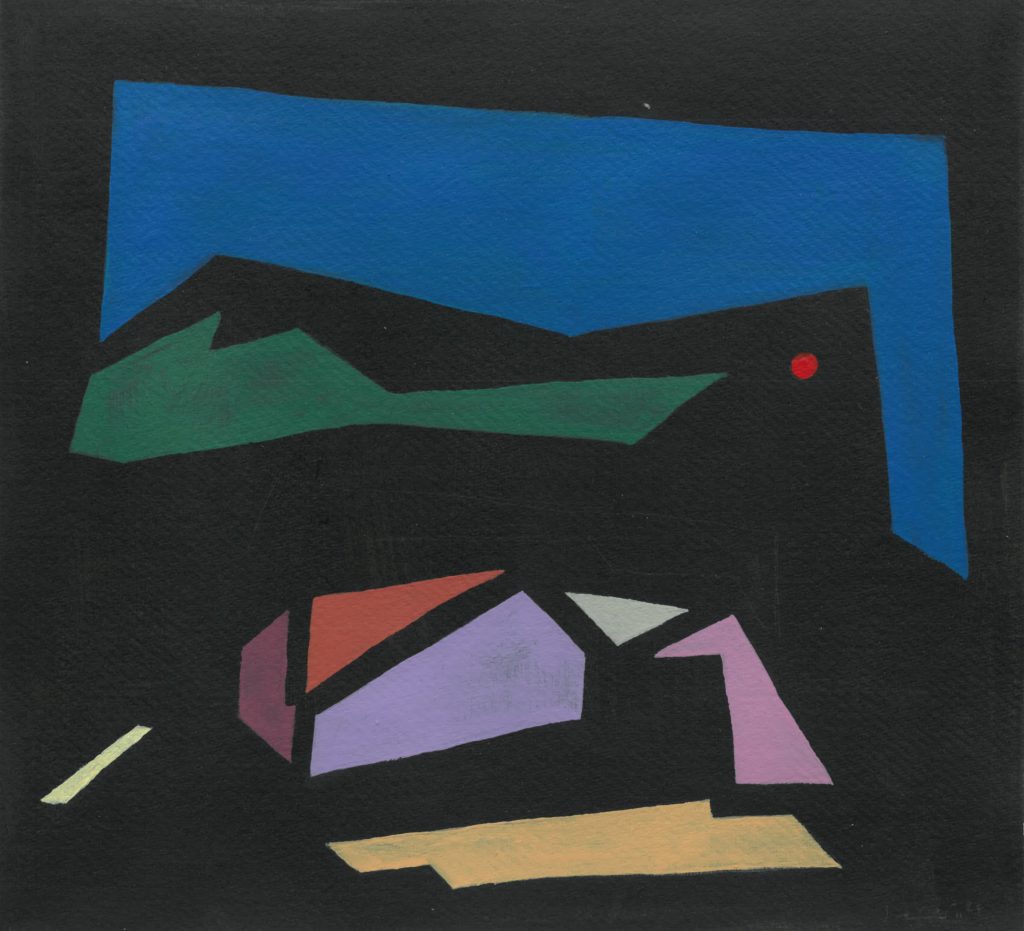
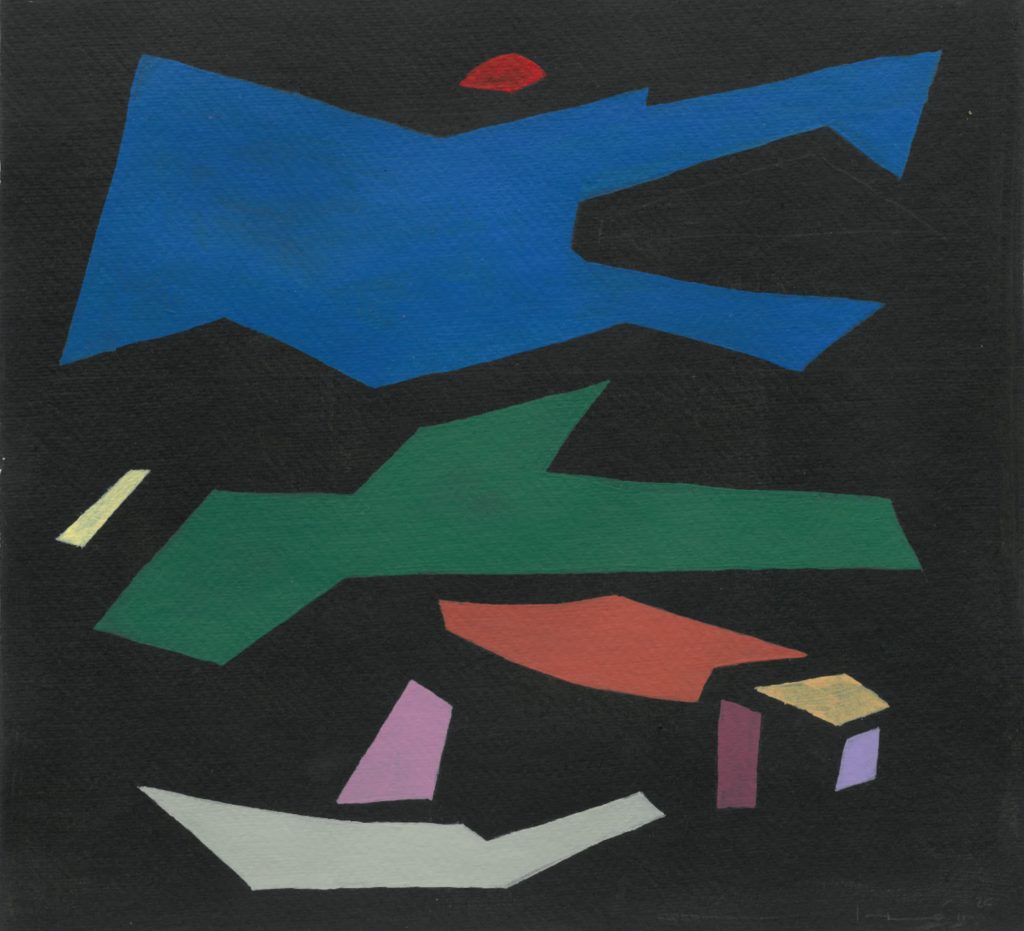
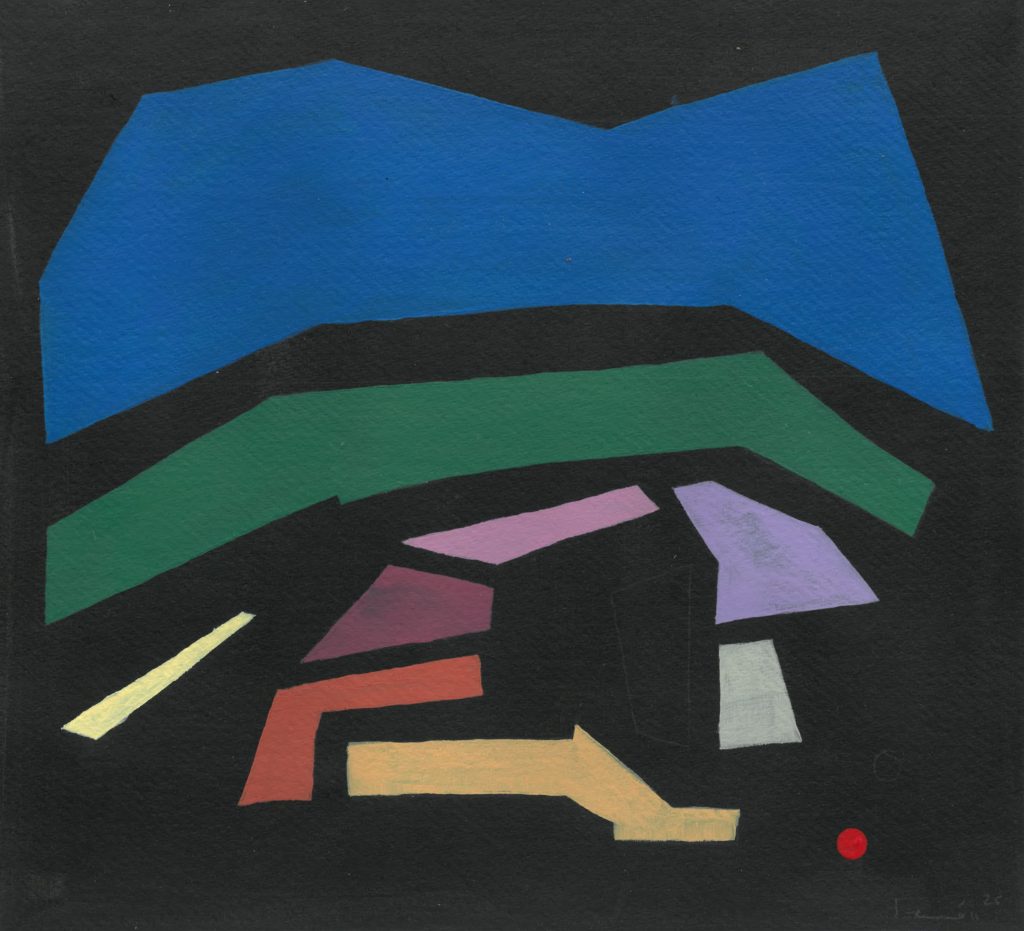
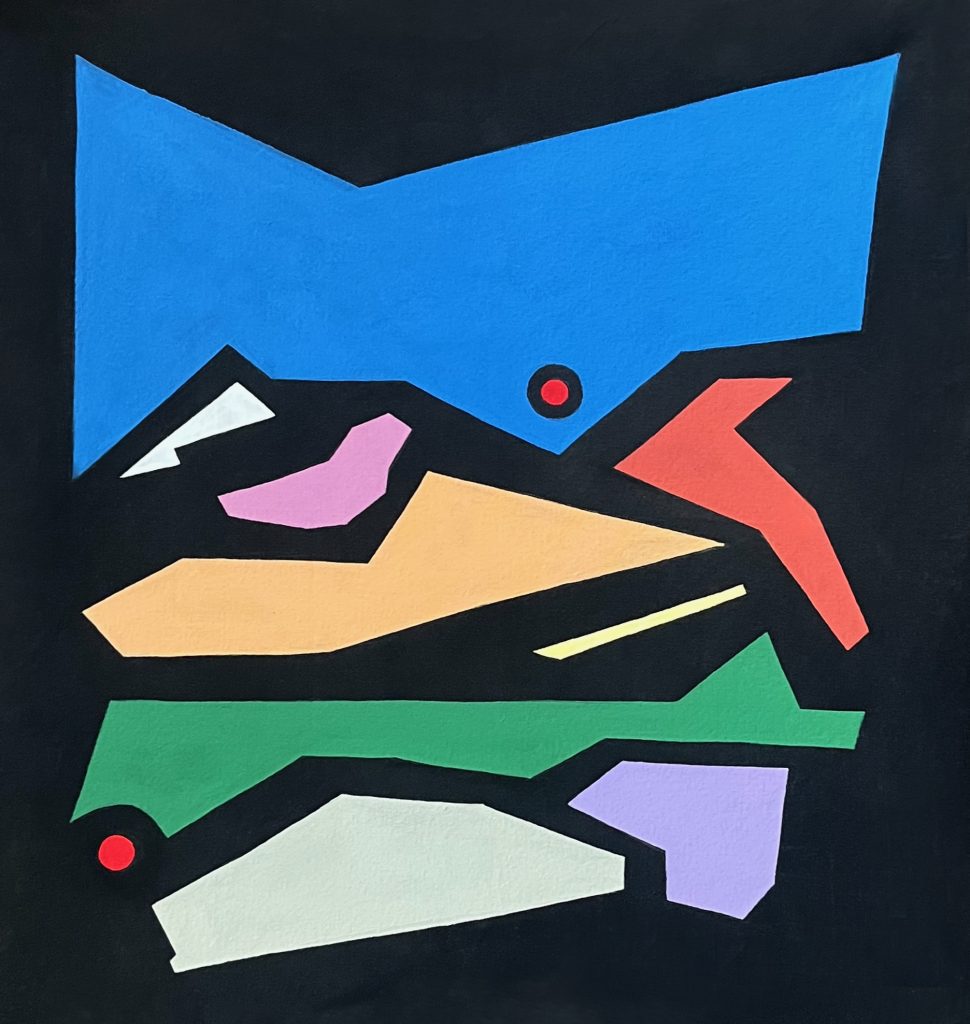
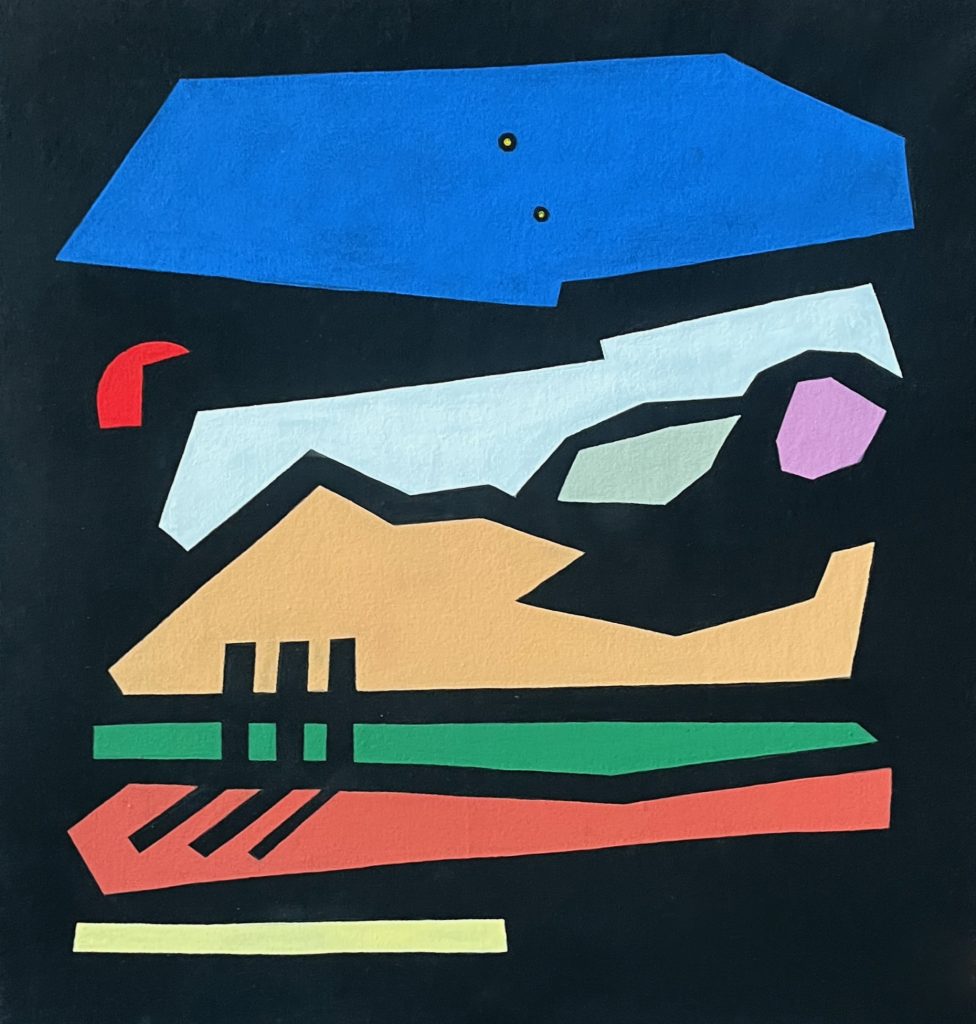
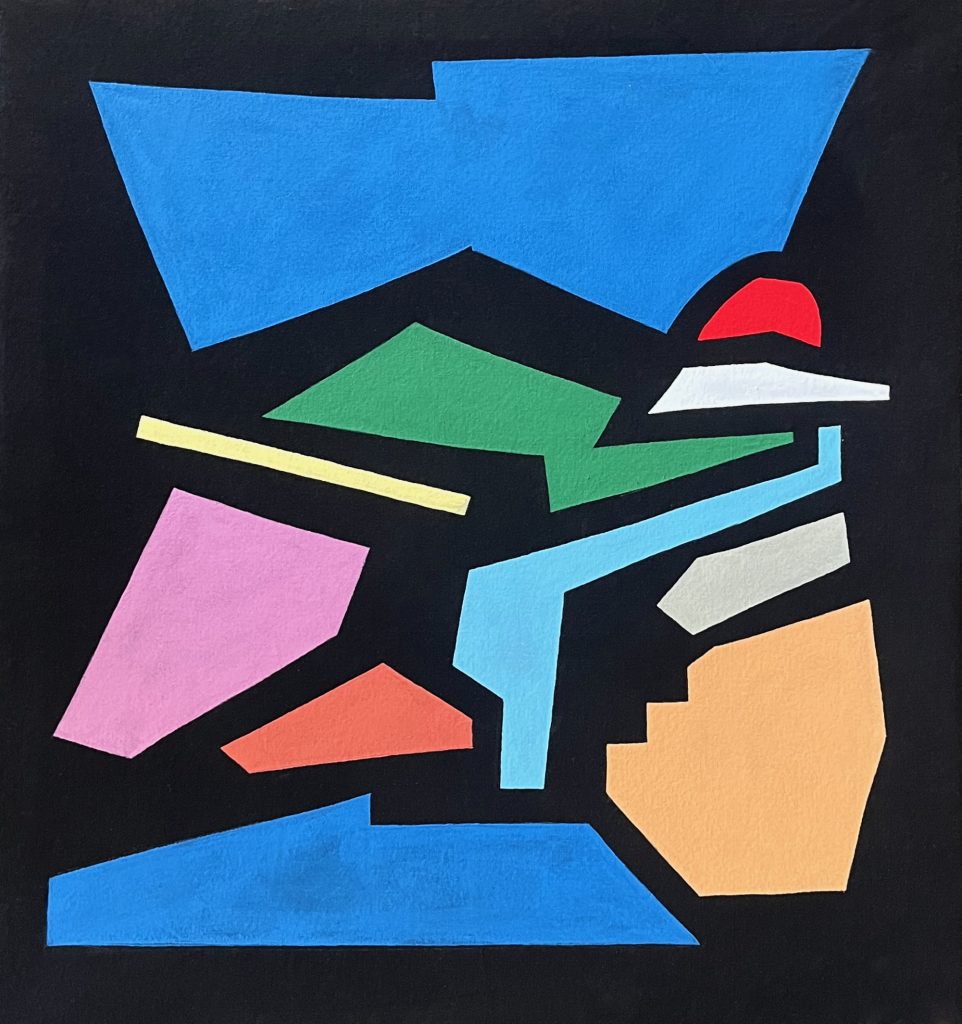
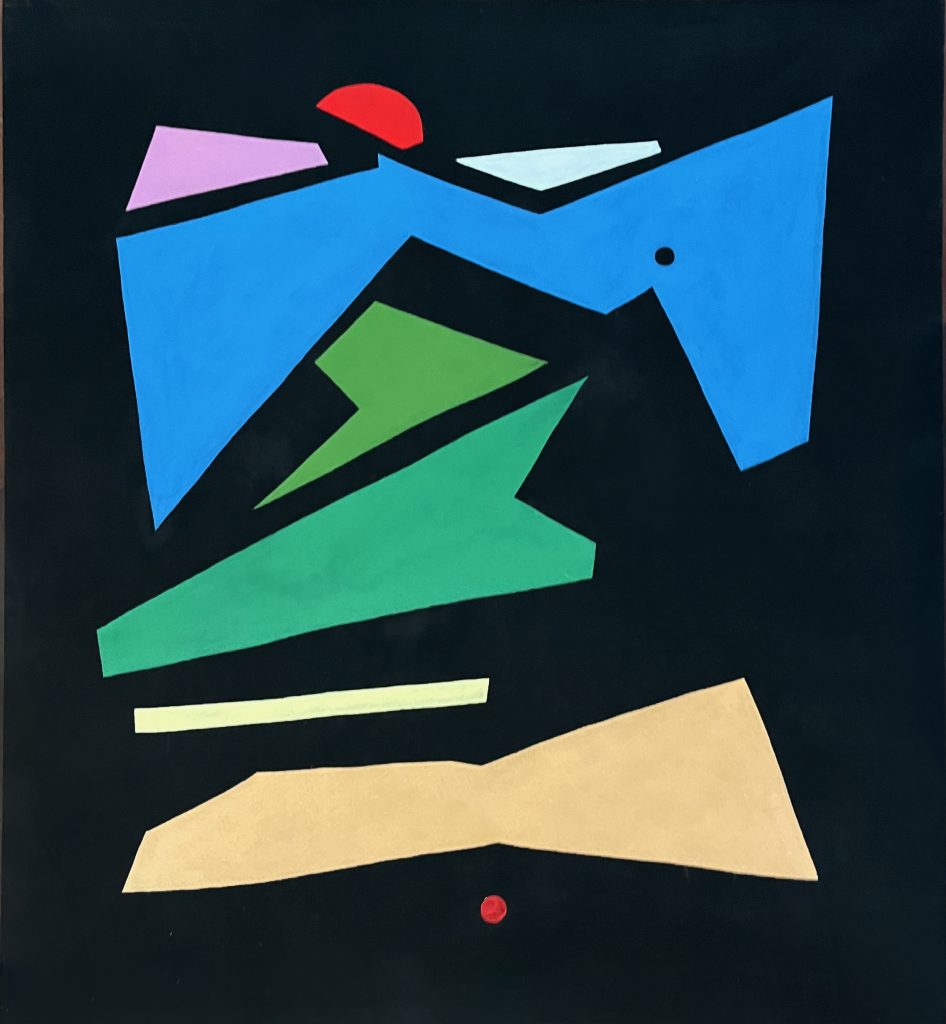
A direct response to the sweeping terrain where the valley meets the Foothills and the Sierra Nevada. Moving east, the landscape unfolds into vast fields, shifting color planes, and mountain silhouettes—capturing an ongoing fascination with an open, infinitely wide horizon.
The Foothills & The Tule River
Captures a new geography that surrounds me here daily. They represent an attempt to find structure and form within an expanse that feels infinitely larger than anything I have known until now—capturing the horizon, the foothills,and the shifting forms of the Tule River.
A visual record of spatial adaptation and quiet observation—tracing a trajectory from Cologne, Germany, to the Central Valley of California. The exhibition documents a personal and physical arrival across three interconnected chapters,observing the structural character of a California in motion.
Arrival
A direct response to the sweeping terrain where the valley meets the Foothills and the Sierra Nevada. Moving east, the landscape unfolds into vast fields, shifting color planes, and mountain silhouettes—capturing an ongoing fascination with an open, infinitely wide horizon.
The Foothills & The Tule River
Structural Blueprints
August 4th — September 1st 2026
Art Hop | My Homies Kitchen, Fresno, CA, USA
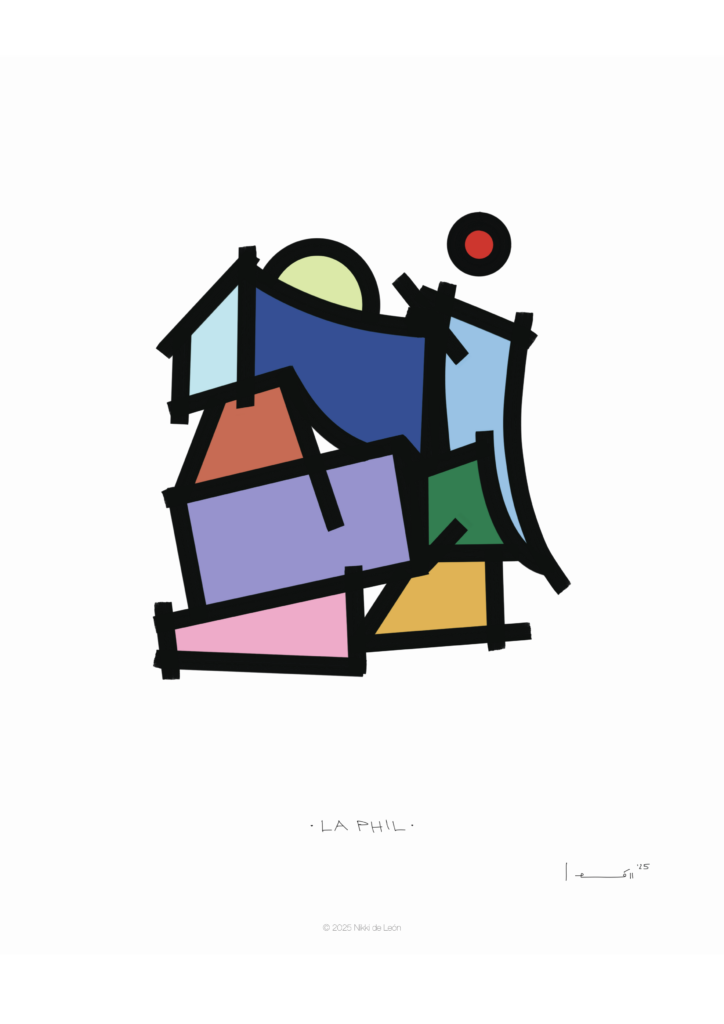
A blueprint , an architectural instrument of control, a calculated diagram designed to enforce spatial order, dictate boundaries, and define who is permitted within a regulated environment.
Observing the built environment of Central California through the lens of a different structural background reveals a profound spatial reality: a landscape where official architectural plans constantly co-exist with structures created entirely outside of them. There is a primal, universal impulse tied to constructing shelter—an act almost everyone experiences in childhood as a form of play, intuition, and spatial discovery. Yet in adulthood, this exact same physical gesture re-emerges under vastly different circumstances—no longer born from play, but driven by necessity and systemic inequality. Rather than viewing these self-constructed, improvisational forms through a moralizing lens, Structural Blueprints approaches them as an architecture in their own right. They are physical studies of balance, tension, and survival—a quiet, persistent spatial practice that demands to be documented rather than overlooked.
To paint a landscape truthfully is to depict every layer that inhabits it. Framed against the sweeping horizon and the distant mountain silhouettes of the Central Valley, these informal geometries are not separate from the environment—they are an integral, co-existing element of the visual landscape.